

DEEPASRI HOSPITAL · PROCEDURE GUIDE

Knee Replacement Surgery in JP Nagar, Bangalore

Understand the procedure, evaluation, treatment process, recovery and what to expect.

01 Understanding the Procedure
02 Preparation and Recovery
03 Answers to Common Questions
Knee replacement surgery helps remove damaged cartilage and a thin layer of bone from the thighbone and shinbone followed by capping both ends with metal and plastic implants. Doctors suggest it when arthritis pain makes walking and stairs hard, and medicines, physiotherapy or injections no longer help. Patients looking for knee replacement surgery in JP Nagar can opt for orthopaedic evaluation, surgery, postoperative care and rehabilitation at Deepasri Multispecialities Hospital, JP Nagar, Bangalore. Let’s understand how the surgery works, what recovery involves and how to prepare.

What Is Knee Replacement Surgery?

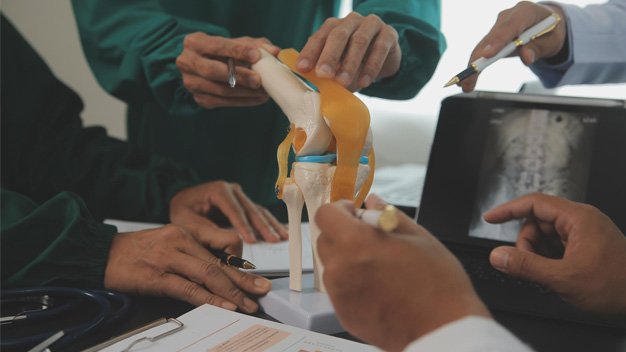
Knee joint replacement, also called knee arthroplasty, begins with the surgeon removing worn cartilage and a thin layer of bone from the ends of the thighbone and shinbone. The surgeon then fixes a metal cap at the end of the thighbone and another at the top of the shinbone. A plastic spacer is placed between them and takes over the work of the worn cartilage, so the bones stop rubbing together. Once the knee heals, pain usually eases. However, how much walking and stair climbing one can do varies from person to person.

When Is Knee Replacement Surgery Recommended?

Most knee arthritis treatment begins with medicines, physiotherapy and injections. Doctors consider surgery when these no longer provide adequate relief, resulting in knee problems limiting daily life. Common reasons include the following:
  • Severe osteoarthritis, the most common cause
  • Rheumatoid arthritis or post-traumatic arthritis, leading to a damaged knee joint
  • Constant pain, stiffness, visible deformity or reduced range of motion
  • Difficulty walking or climbing stairs
  • Pain that disturbs sleep

Types of Knee Replacement Surgery

Total Knee Replacement

In total knee arthroplasty, the damaged surfaces across the whole joint are replaced. It is considered when arthritis has affected most of the knee.

Partial Knee Replacement

Only the affected compartment is replaced, and the healthy parts of the knee are kept. This option suits selected patients whose damage is limited to one area.

Revision Knee Replacement

Revision surgery replaces or corrects an earlier implant. Reasons include loosening, wear, infection or instability.

Evaluation Before Knee Replacement Surgery

The first consultation usually starts with questions. Diabetes, heart problems and blood thinners are some factors that help decide how surgery will be planned, so the surgeon wants to know about them early. The knee is then examined physically. The surgeon moves it through its full range of motion and pushes gently from the side to find any looseness. X-rays show signs of joint damage, and an MRI is requested only when there is something unclear. Blood tests and a visit with the anaesthetist are done before the surgery date. Conditions like high blood sugar or uncontrolled blood pressure are treated first.

How Is Knee Replacement Surgery Performed?

  • Before the procedure begins, anaesthesia will be administered.
  • The surgeon opens the knee, trims away the damaged cartilage and a thin layer of bone, and shapes the thighbone and shinbone to fit the implants.
  • Metal caps are placed on both bones with a plastic spacer between them.
  • With the implants in place, the surgeon checks the knee’s full range of motion and checks that the kneecap tracks straight and the joint does not shift sideways. The incision is then closed.
  • In the recovery room, nurses continue to watch the blood pressure, oxygen level and the leg’s circulation until the anaesthesia wears off.

Benefits of Knee Replacement Surgery

  • Reduced knee pain
  • Improved mobility
  • Better knee function
  • Improved joint stability
  • Easier walking
  • Improved ability to perform everyday activities
  • Correction of certain knee deformities

Recovery After Knee Replacement Surgery

Immediately After Surgery

Nurses monitor your pain, the wound and your circulation through the first days. Prescribed blood-thinning medicines and leg exercises help lower the risk of clots. Most patients are able to stand with a physiotherapist’s help within a day of surgery.

Physiotherapy and Rehabilitation

Knee replacement recovery relies on physiotherapy, which starts in hospital and continues for several weeks after discharge. A walker or crutches are used at first, and the physiotherapist may reduce that support as the leg gets stronger.

Returning to Daily Activities

Your pace depends on your age, general health, muscle strength and the complexity of the surgery. Your surgeon will tell you when it is safe to walk unaided, climb stairs and drive.

Risks and Possible Complications

Like any major surgery, knee replacement also carries a few risks. These include infection, blood clots, bleeding, joint stiffness, persistent pain, implant loosening or wear, knee instability, nerve or blood vessel injury and anaesthesia-related complications. Your risk profile needs to be discussed with the orthopaedic surgeon before the decision is made.

How to Prepare for Knee Replacement Surgery

It is essential to complete all recommended tests and talk to your doctor about your current medicines. Keep diabetes and other chronic conditions under control, follow the fasting instructions and stop smoking if you are advised to. Arrange help at home for the early recovery period, and make the house safer by removing fall hazards such as loose rugs.

Knee Replacement Surgery at Deepasri Hospital, JP Nagar

Deepasri Multispecialities Hospital is a renowned knee replacement hospital in JP Nagar. During an orthopaedic consultation, the surgeon examines the knee and reviews your history. The hospital’s diagnostic services enable any scans that are required for the procedure. If a replacement is the right option, the orthopaedic team plans it diligently. Nurses monitor the entire recovery and manage your pain while a physiotherapist starts rehabilitation. Follow-up visits let the surgeon assess the knee and adjust your exercises.

Why Choose Deepasri Hospital for Knee Replacement Surgery?

Treatment starts with an orthopaedic evaluation of the knee. If a replacement is needed, a knee replacement surgeon in JP Nagar operates in the hospital’s own surgical facilities, and imaging is done in the same hospital. Monitoring after surgery and physiotherapy continue there too, so you do not have to worry about recovery. For patients considering knee replacement surgery in Bangalore, the JP Nagar location keeps follow-up visits close.

Book an Appointment for Knee Replacement Surgery in JP Nagar

Knee pain that wakes you at night or stops you climbing stairs needs to be assessed by an orthopaedic surgeon. Call Deepasri Hospital to book a consultation.

Frequently Asked Questions

Find answers to common questions about this procedure.

01 How do I know if I need knee replacement surgery?

You should consider it when pain, stiffness and trouble with stairs persist after medicines, physiotherapy and injections. X-rays and an examination show whether the joint damage requires surgery.

02 How painful is knee replacement surgery and recovery?

Patients usually do not experience any pain during the operation, since they are under anaesthesia. Pain is strongest in the first few days and is controlled with medicines. Exercises may also hurt at first, but the stiffness goes away as the knee moves more freely.

03 How long does it take to recover after knee replacement surgery?

Hospital stay is usually a few days. Most people return to routine daily tasks within four to six weeks, though full recovery can take three months or longer.

04 When can I walk normally after knee replacement surgery?

You can start walking with a walker or crutches within a day or two. Many patients are able to walk without support by the sixth week.

Take the Next Step Towards Better Care.

Our team can help you arrange an appointment and discuss the next steps.

Request an Appointment ↗
Book an Appointment ↗