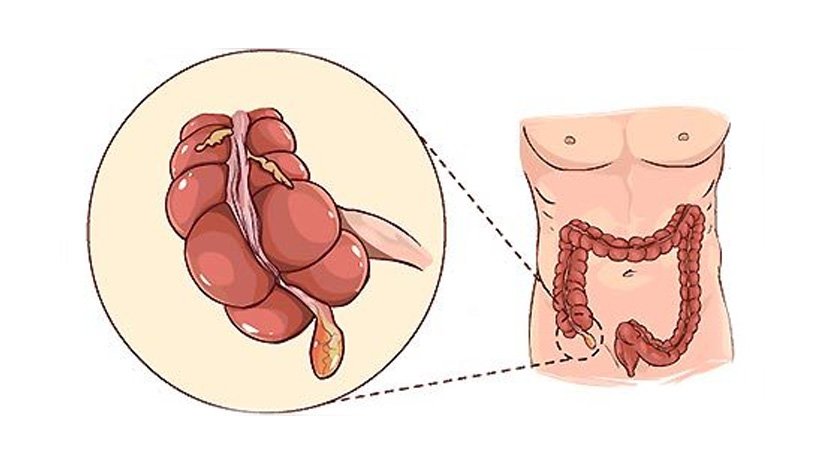
Appendicitis is a critical medical emergency characterized by the acute inflammation of the vermiform appendix, a small, finger-shaped pouch connected to the cecum. While the appendix has no vital function in the human body, its inflammation can rapidly escalate from localized irritation to a life-threatening rupture. In a bustling urban environment like JP Nagar, having access to specialized diagnostic facilities and experienced surgical teams is essential for managing this time-sensitive condition.
Recognizing the Early Warning Signs
The clinical progression of appendicitis is often predictable but requires immediate attention. The most significant early symptom is a dull ache that typically originates near the umbilicus (belly button) before migrating to the lower right quadrant of the abdomen.
- Localized Tenderness: As the inflammation intensifies, the pain becomes sharp and focuses on McBurney’s Point, located roughly two-thirds of the distance between the navel and the right hip bone.
- Gastrointestinal Distress: Nausea, vomiting, and a complete loss of appetite (anorexia) are almost universal markers.
- Secondary Symptoms: Low-grade fever, abdominal bloating, and the inability to pass gas or have a normal bowel movement often follow as the infection spreads.
- The Rebound Effect: A classic clinical sign is rebound tenderness, where the pain is significantly more intense when pressure is released from the abdomen rather than when it is applied.
The Diagnostic Pathway
Because abdominal pain can mimic several other conditions such as kidney stones, pelvic inflammatory disease, or severe gastritis a precise diagnosis is critical. Hospitals specializing in stomach pain treatment utilize a tiered diagnostic approach:
Clinical Examination: A surgeon evaluates for signs like the Psoas sign (pain upon extending the right hip) or Rovsing’s sign (pain on the right side when pressure is applied to the left).
Laboratory Analysis: Blood tests are conducted to check for a high White Blood Cell (WBC) count and elevated C-reactive protein (CRP), which indicate systemic inflammation.
Advanced Imaging: For a definitive blueprint, surgeons rely on an abdominal ultrasound or a high-contrast CT scan to visualize the swelling, thickness, and potential fluid accumulation around the appendix.
Why Timely Surgery is Non-Negotiable
The primary danger of appendicitis lies in the risk of perforation (rupture). Once the appendix becomes obstructed often by a fecalith or lymphoid hyperplasia the internal pressure rises, cutting off blood supply.
- The 48-Hour Window: Research suggests that the risk of a rupture increases significantly 48 to 72 hours after the onset of initial symptoms.
- Complications of Rupture: A burst appendix spills fecal matter and bacteria into the abdominal cavity, leading to peritonitis (inflammation of the abdominal lining) or an abscess. Both conditions require extensive cleaning of the cavity and prolonged hospital stays.
- Sepsis Risk: In the most severe cases, the infection can enter the bloodstream, leading to sepsis, a life-threatening systemic response.
Excellence in Appendicitis Treatment in J.P. Nagar
For those seeking the
best hospital for appendicitis in J.P. Nagar, Deepasri Multispeciality Hospital stands as a premier choice. The facility is equipped with modern modular operation theaters designed specifically for high-precision emergency interventions.
When it comes to the procedure, a laparoscopic appendectomy surgery hospital in Bangalore is highly preferred over traditional open surgery. During a laparoscopic procedure, the surgeon makes three tiny incisions rather than one large cut. A camera-guided laparoscope allows the surgeon to visualize and remove the appendix with minimal trauma to the surrounding tissues.
The advantages of this minimally invasive approach at Deepasri Multispeciality Hospital:
- Reduced Post-Operative Pain: Smaller incisions lead to a significantly lower requirement for painkillers.
- Rapid Recovery: Most patients are discharged within 24–48 hours and can return to light activities within a week.
- Cosmetic Benefits: The scars are nearly invisible after healing compared to the 3-inch incision required for open surgery.
By consulting the best appendicitis doctors in JP Nagar, in Deepasri Multispeciality Hospital patients receive a combination of rapid diagnostic confirmation and surgical mastery. Timely intervention not only saves lives but ensures a seamless transition back to health.