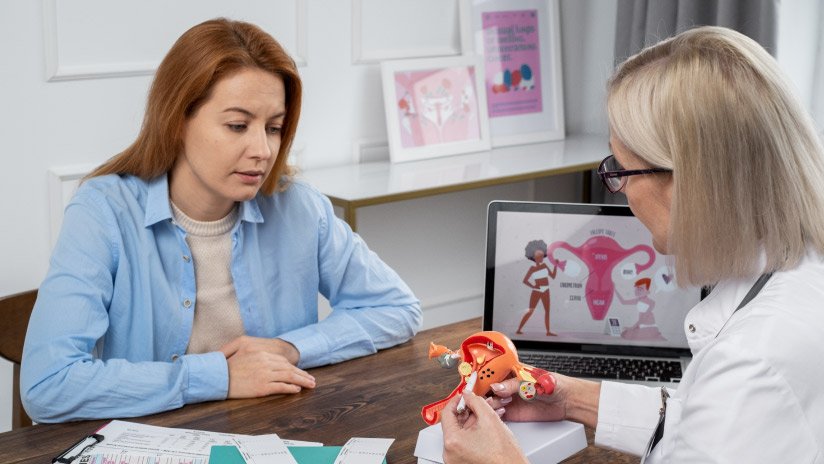
Polycystic Ovary Syndrome (PCOS) affects millions of women worldwide, often altering their hormonal balance, menstrual cycles, and fertility. While PCOS is typically associated with high levels of reproductive hormones and delayed menopause, emerging research shows a more complex relationship. Some women with PCOS may face early signs of ovarian aging, making conversations around early menopause more relevant than ever.
This blog explains the connection between PCOS and early menopause, signs women should watch for, and when medical support becomes essential.
What is PCOS?
PCOS is a hormonal condition in which the ovaries produce excess androgens hormones often associated with male characteristics. This imbalance may cause symptoms such as:
- Irregular or absent periods
- Multiple small cysts on ovaries
- Excess facial or body hair
- Acne or oily skin
- Difficulty losing weight
- Challenges with getting pregnant
Along with hormonal disruption, women with PCOS often experience insulin resistance and long-term metabolic risks like diabetes and heart disease.
What is Early Menopause?
Menopause usually occurs between 45 and 55 years of age. When the ovaries stop releasing eggs and estrogen levels fall before age 40, it is termed early menopause or premature ovarian insufficiency (POI). Women may experience:
- Sudden changes in menstrual regularity
- Hot flashes and night sweats
- Mood swings and anxiety
- Vaginal dryness
- Sleep disturbances
- Reduced fertility
This early decline in reproductive function can be emotionally and physically challenging.
How Can PCOS Influence Menopause Timing?
There is no single answer because PCOS presents differently in every woman. However, experts suggest multiple potential pathways:
Ovarian Reserve Variations
Many women with PCOS start life with a larger pool of eggs, which could delay menopause. But in some cases, ongoing inflammation and hormonal imbalance may accelerate ovarian depletion.
Chronic Anovulation
When ovulation does not occur regularly, the ovaries may experience metabolic stress. Over time, this can contribute to weakened ovarian function and earlier hormonal decline.
Insulin Resistance & Metabolism
Insulin resistance common in PCOS may negatively impact ovarian tissue and hormone production, contributing to earlier menopause symptoms in some women.
When Should Women with PCOS Be Concerned?
If you have PCOS and begin to notice:
- Periods that were irregular becoming more infrequent
- Symptoms of hot flashes or sudden mood changes
- Reduced fertility despite treatment
- Lower estrogen symptoms, such as vaginal dryness
These could indicate early hormonal decline. Early diagnosis allows timely treatment that can protect bone health, heart function, and emotional wellbeing.
Managing PCOS & Protecting Reproductive Health
Women with PCOS can take proactive steps to support ovarian health:
1.Maintain healthy weight and blood sugar balance
2.Engage in regular physical activity
3.Choose a balanced diet rich in whole foods and low in high-glycemic sugars
4.Manage stress to reduce hormonal fluctuations
5.Undergo regular hormonal and metabolic monitoring
6.Discuss fertility planning with a gynecologist or reproductive specialist
Personalized medical support ensures the right treatment based on individual symptoms and life goals whether managing period irregularity or preparing for pregnancy.
Final Takeaway & Where to Seek Care
PCOS does not automatically lead to early menopause, but hormonal and metabolic changes can influence reproductive ageing. Every woman’s journey is unique, so staying informed and proactive is key. If you experience symptoms suggesting ovarian decline especially before 40 seek prompt medical guidance.
At Deepasri Multispecialities Hospital, Bangalore, expert
gynecologists, endocrinologists, and fertility specialists work together to provide precise diagnosis and customized care plans for PCOS-related concerns. Early support helps protect long-term health and ensures women maintain control over their reproductive future.